Our Members
Global experts dedicated to advancing cooperative and peaceful management of shared freshwater systems.
18
33
Countries & Regions
Global Experts
Director
Honorary Director

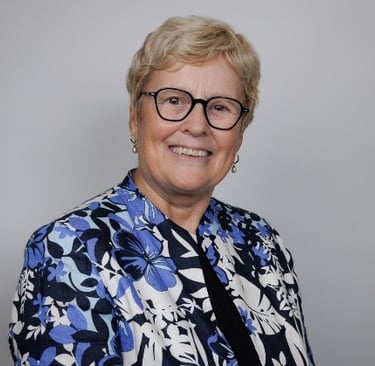
Professor Patricia Wouters (PhD) is founding Director of the International Water Law Academy, serving as its Director from 2019-2025, and now as Honorary Director. She also founded the China International Water Law programme (Xiamen 2012), the University of Dundee (Scotland) UNESCO Centre for Water, Law and Policy (2007), and the International Water Law Research Institute (University of Dundee, 1997). Professor Wouters (Canadian, Belgian)(BA, LLB, University of Ottawa, Canada; LLM, Berkeley, University of California, USA; DES, PhD, University of Geneva, IUHEI, Switzerland; Research Fellow, Max-Planck Institute, Heidelberg, Germany) has published extensively on the international law related to transboundary waters, supervised many LLM and PhD students, served on numerous advisory boards, including most recently the Board of Governors for the International Water Management Institute (IWMI), and provided expert advice to the World Bank, UN agencies, national governments and water-related institutions.
Current Research Interests: public international law, state responsibility, rules of international law that govern transboundary waters,
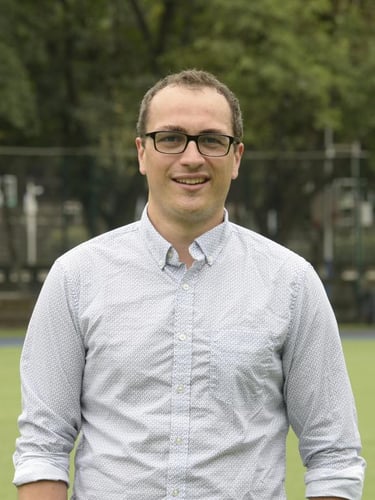
Dr. David J Devlaeminck is Associate Professor at the School of Law, Chongqing University, Associate Research Fellow at the United Nations University – Institute on Comparative Regional Integration Studies (UNU-CRIS) and Co-Chair of the American Society of International Law Asia-Pacific Interest Group. His principal area of interest is international environmental law, with a focus on the law of international watercourses. He has published widely on the subject, including his monograph, Reciprocity and China’s Transboundary Waters: The Law of International Watercourses (Routledge 2021). He is also editorial board member for RECIEL and for the Springer book series Water Security in a New World. Apart from his research, David also conducts teaching in international environmental law at the undergraduate and graduate levels and is coach of the Chongqing University Jessup International Law Moot Court team.
Current Research Interests: public international law; international water law; Asia-Pacific
Advisory Board
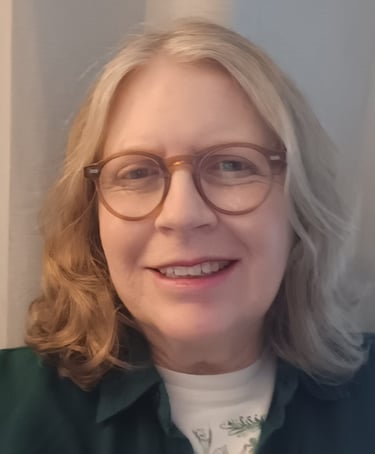
Dale Campbell is an affiliate of the International Water Law Academy. She has over 35 years of experience working on projects, publications and policy initiatives with various international organisations: the FAO China Office, the German Agency for International Cooperation (GIZ), a task force of the China Council for International Cooperation on Environment and Development (CCICED), the Asia Programme of the World Conservation Union (IUCN) and the European Commission. Dale has worked on issues related to water governance, climate change, agriculture, desertification and biodiversity conservation. She has an MSc from the University of London and an LL.M in International Water Law from the UNESCO Centre for Water Law, Policy and Science at the University of Dundee in Scotland.
Melissa McCracken currently holds the William R Moomaw Assistant Professorship of International Energy and Resource Policy at the Fletcher School at Tufts University and is an affiliate faculty member with the Program in Water Conflict Management and Transformation at the College of Earth, Ocean, and Atmospheric Sciences at Oregon State University. Melissa is an emerging young scholar with a growing body of research and teaching experience in the field of international waters, specifically focusing on conflict and cooperation over shared surface and groundwaters.


Dale Cambpell
Owen McIntyre is a Professor at the School of Law, University College Cork (National University of Ireland), where he serves as the Director of the LL.M. (Environmental & Natural Resources Law) Programme and as Co-Director of the Centre for Law & the Environment.His principal interest lies in the field of (International) Environmental Law, with a particular research focus on International Water Law. He has served as the inaugural Chair of the IUCN World Commission on Environmental Law's Specialist Group on Water and Wetlands, as a Panel Member on the Project Complaints Mechanism of the European Bank for Reconstruction and Development (EBRD), and on the Scientific Committee of the European Environment Agency. He has been appointed by the Government of Ireland to the Aquaculture Licences Appeals Board. He holds visiting positions at Wuhan University, Xiamen University, the University of Dundee, and Charles University Prague. He serves on the boards of several international journals and is the General Editor of the Journal of Water Law.
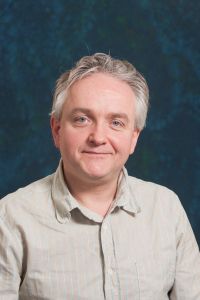
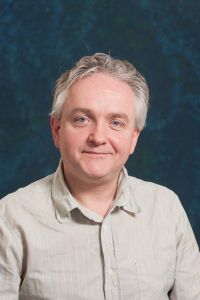
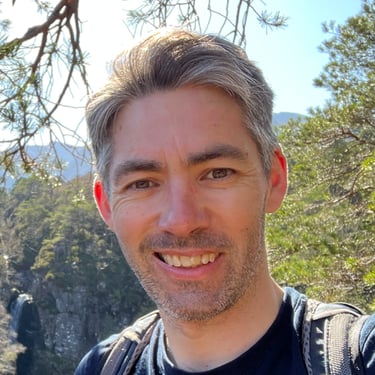
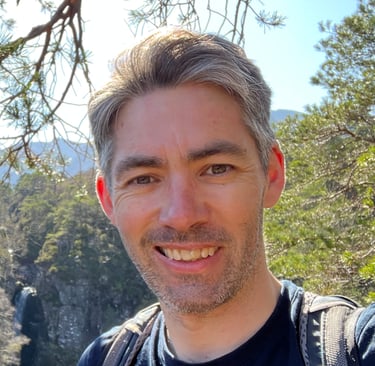
Alistair Rieu-Clarke is a Professor of Law at Northumbria University, Newcastle, UK, and prior to that worked at the UNESCO Centre for Water Law, Policy and Science at the University of Dundee. He has also worked as a legal officer at the Water Convention Secretariat in Geneva, Switzerland, and continues to support their work related to SDG indicator 6.5.2 (transboundary water cooperation). He has over 25 years’ experience in teaching, professional training, research and consultancy related to international law. Through his research and experience he has developed a keen interest in the design of transboundary water agreements, as well as the types of compliance mechanisms that can enhance their implementation and effectiveness.
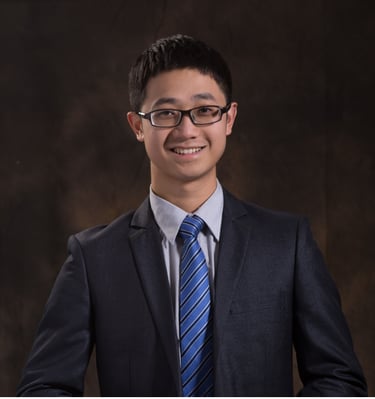
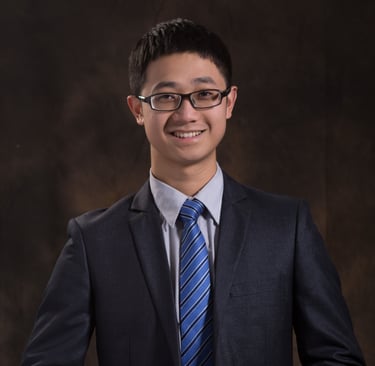
SU Yu is an Assistant Professor of International Law at Xiamen University, where he is a member of the Chinese International Water Law research group. His work focuses on public international law, international watercourses, and China’s transboundary water relations.
Current Research Interests: theories of lawmaking, climate change and international watercourses, non-state actors, China's transboundary watercourses
Affiliate Members
Musa Abseno is an independent consultant on legal, institutional and policy on national and international water law. He is also Associate Partner at Multi Talent Consultancy PLC, and Advisor and Member of Negotiation Committee on Grand Ethiopian Renaissance Dam (GERD). His research areas include international and national water law interface focusing on a joined approach to the implementation of international water law principles at the national level through appropriate domestic laws and institutions. Dr. Musa, (Ethiopian-British)-LLB, Addis Ababa University; LLM University of Dundee (CWLPS-Dean’s Medal); PhD-University of Dundee (CWLPS). Visiting lecturer at Bahir Dar University; Supervised Masters and PhD students at Addis Ababa University, Jimma University, Ethiopia, and Vrije Universiteit Brussel. He has over 20 years of professional experience in the field of transboundary water resources management.
Dr Musa worked as Director of Transboundary Waters Affairs Department of the Ministry of Water Resources of Ethiopia; as a member of the Panel of Experts (POE); the Negotiations Committee for the Nile Basin Co-operative Framework Agreement (CFA); Technical Advisory Committee (TAC) for NBI; and Trilateral National Committee (TNC) for the negotiation of the Declaration of Principles (DOP) between Egypt, Ethiopia and Sudan. Dr. Musa has published numerous journal articles and Book Chapters.
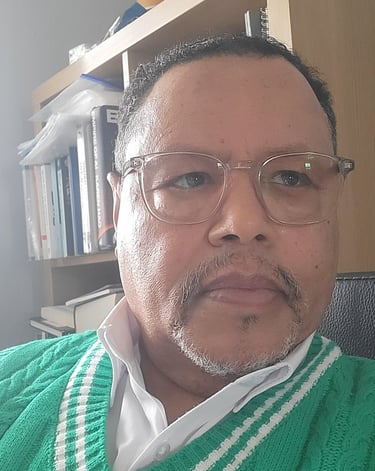
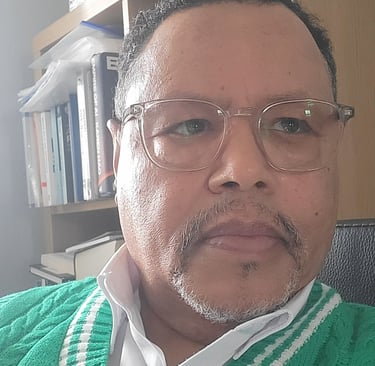
Mohammad Mova AlAfghani is International legal advisor and scholar with expertise in the fields of water law, human rights, and environmental governance. Ph.D. holder in Water Law and Governance. Over 15 years of experience in policy development, regulatory reforms, research, and advocacy. Has a diverse array of publications in different areas of law and has contributed to policy making at the national, regional and international levels.
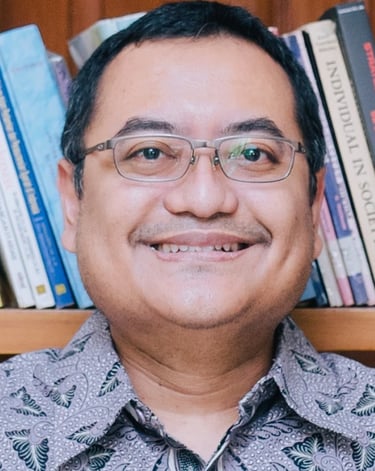
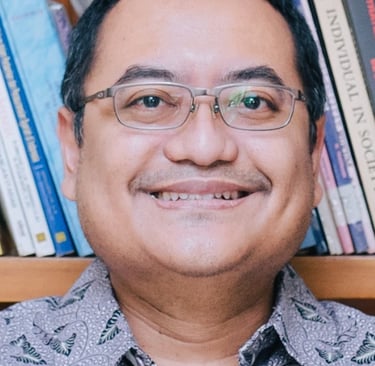
Dr. Bernadette Araba Adjei is a lawyer with over 20 years’ experience in environmental law and water governance in the public service of Ghana. She has been involved in the development and administration of a number of laws and regulations in the water sector in Ghana. Among these are water and buffer zone policies for Ghana, and regulations on administration of surface and groundwater use and management and dam safety. She also has a wide knowledge in transboundary water resources governance and has collaborated with ECOWAS-WRCC, the Volta Basin Authority in West Africa and UNECE and currently serves as a member of the Bureau of the 1992 Water Convention while the co-chairing programme area on global accession to the Convention and the Task Force on Water and Climate. She holds a PhD in Development Studies from the Institute of Statistical Social and Economic Research (ISSER) at the University of Ghana. She has an LLM in Environmental Law from the University of Nottingham, UK and an LLB from the University of Ghana. She is a member of the Ghana Bar Association. She lectures environmental and water law, conflict of laws and gender and the law in universities in Ghana. Her research area includes environmental and water governance, development studies and gender issues.




Agnes Chong is an Assistant Professor at The Chinese University of Hong Kong, Faculty of Law. Her research focuses on international law, international watercourses law, environmental law, and human rights law. She holds a PhD in International Law from the University of Hong Kong, where her doctoral thesis on the principles of no-harm and equitable utilisation in international watercourses law was nominated for the Li Ka-Shing Prize for research excellence. Dr. Chong has professional experience with leading international law firms and international organisations, including the United Nations and the World Bank’s International Finance Corporation. She is Chair of the Environmental, Energy and Climate Law Cluster at CUHK LAW’s Centre for Comparative and Transnational Law and a member of the World Bank Global Forum on Law, Justice and Development’s Water Law Working Group.
Ana Maria Daza Clark is a Lecturer in International Law at the University of Edinburgh, Law School, and an Affiliate member of the International Water Law Academy. Her research and teaching focuses on International Economic Law, covering International Investment Law and Arbitration, WTO Law, International Water Law, and Management of Natural Resources. She has done extensive work on the relationship between Investment Law and Water Resources Management and Regulation. She is Programme Director of the International Economic Law LL.M at the University of Edinburgh, and provides expert advice to governments, foreign investors and international organisations.


Michael Hantke-Domas is Associate Professor in the Faculty of Law and Government at San Sebastián University (Chile), Vice Chair of the Water and Wetland Law Specialist Group at the IUCN World Commission on Environmental Law, and affilliate member of the International Water Law Academy (IWLA). Dr. Michael Hantke-Domas is an internationally recognized lawyer for his professional and academic practice in water law, environmental law, and natural resources. He has more than 25 years of experience acting as a judge, academic, lawyer, public servant, international official, and consultant.
Current Research Interests: international environmental law, environmental impact assessment, biodiversity, environmental damage, environmental justice, judiciary, international water law, national water law, wetlands, ecosystem services, regulatory frameworks, public policy, and comparative law


Barbara Janusz-Pawletta is an international law expert with a focus on water and environment, passionate about environmental research and education, with the working experience of the last 15 years in Central Asia and previously in her homeland, Poland. Currently, Barbara serves as IWMI Country Representative – Uzbekistan, and Head of the Regional Representative IWMI Office for Central Asia. She is also a member of the International Law Association and the Centre for International Sustainable Development Law.
Dale Cambpell
Lingjie Kong is Professor of International Law, and Associate Dean for Research and International Cooperation at the China Institute of Boundary and Ocean Studies of Wuhan University.
His principal research interest lies in peaceful settlement of international disputes, with a focus on the settlement of territorial, transboundary water and maritime disputes. His research areas cover the law and practice of the International Court of Justice, the law of acquisition of territories in international law, the law of international watercourses and the law of the sea.
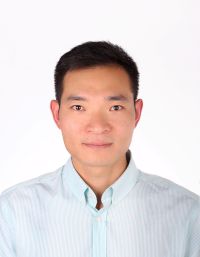
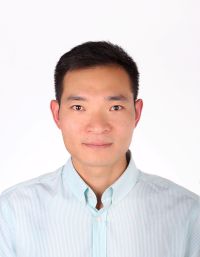
Christina Leb works as Lead Water Specialist in the World Bank Group Water Department, focusing on transboundary water management. In her prior positions she served as Senior Counsel at the Environment and International Law Department (LEGEN), advising on water law and public international law and the Bank’s policies on projects on international waterways. She was also Program Manager of the Central Asia Water Energy Program (CAWEP) and worked on several other assignments related to water resources management and transboundary water governance in Africa and South and Central Asia. Prior to joining the World Bank, Dr. Leb worked at the Faculty of Law of the University of Geneva. She is a Research Fellow at the Platform for International Water Law of Geneva University and an affiliate member of the International Water Law Academy (IWLA). Her publications on the topics of international water law and transboundary water governance include among other monographs on “Data Innovations for Transboundary Freshwater Resources Management: Are Obligations Related to Information Exchange Still Needed?” (Brill, 2019) and “Cooperation in the Law of Transboundary Water Resources” (CUP, 2013).
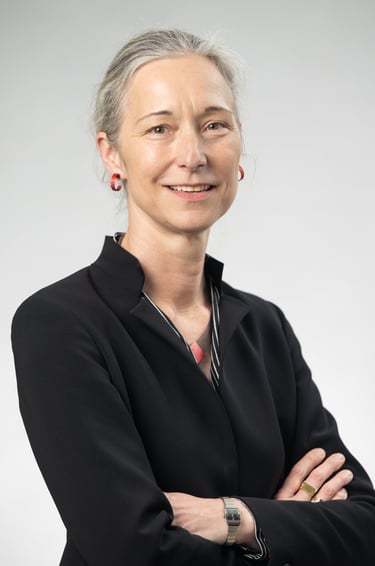
Jing Lee is an Associate Fellow of the Institute for Environment and Development (LESTARI) of the National University of Malaysia (UKM). She is interested in the progressive development of law as informed by the connection between land and the society, and how the interactions within a coupled socio-ecological system are translated and transposed into a legal-normative framework. She has a particular interest in formalising the science-policy interface in decision-making where she advocates for a minimum threshold of institutional competence in the governance of the environment. Her current research on water tenure explores how the approach provides the factual imperatives that shape and construct the normative and substantive scope of law on and relating to water governance at both national and international levels.
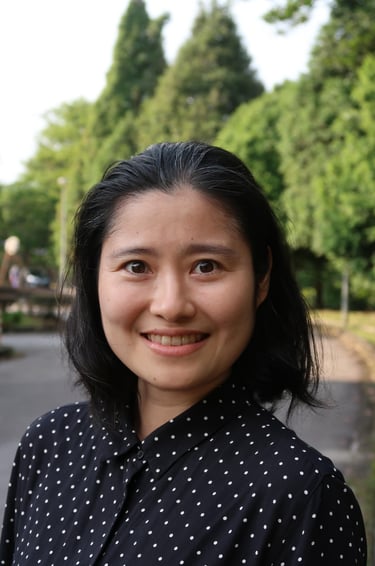
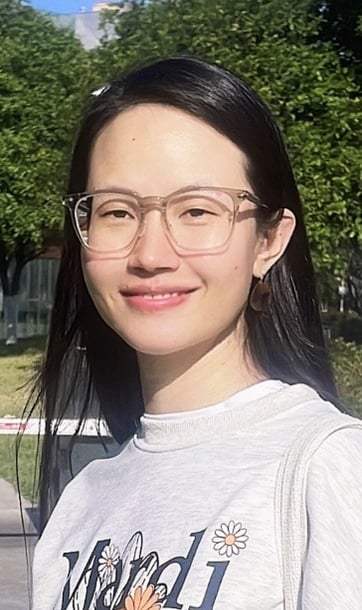
Yang Liu is a lecturer at Guangzhou University Law School (Lawyer College). She previously worked as a postdoctoral researcher at the International Water Law Academy, China Institute of Boundary and Ocean Studies (CIBOS), Wuhan University (May 2021–July 2024). She obtained her Ph.D. from the Faculty of Law and Criminology, Ghent University (2016–2020), where her research examined the interrelationship between international watercourses law and multilateral environmental agreements. She holds an LL.M. in International Law from Xiamen University (2012–2015) and an LL.B. from the Northwest University of Politics and Law (2008–2012). Her research focuses on international environmental law, particularly transboundary water governance and the protection of shared water ecosystems. She has published in several peer-reviewed journals, including Review of European, Comparative & International Environmental Law (RECIEL) and Water International. Her monograph, International Watercourses Law and Multilateral Environmental Agreements: A Case for the Integrated Protection and Preservation of Shared Inland Water Ecosystems, was published in 2024. She is currently leading a National Social Science Fund project on the integrated interpretation and application of international water law and climate change law.
Fozia Nazir Lone · PhD, is an Associate Professor and Associate Director of the Public Law and Human Rights Forum at the City University of Hong Kong. Her research focuses on international law, with specific expertise in international water law, human rights (particularly minority and women's rights), and Asian perspectives on sovereignty and territorial disputes. She is a prolific author, with recent publications in leading journals such as the Journal of Water Law, the Emory International Law Review, and the Chinese Journal of Comparative Law. Her most recent edited volume is "Human Rights and Gender-Based Violence in Asia: A Comparative Critical Analysis" (Routledge, Nov 2025). Prof. Lone is an active member of several international associations dedicated to water law and resources, including AIDA and the Natural Resource Law & Governance (Turin, Italy).
Current Research Interests: International Water Law, with a focus on Asian Water Security and Governance, Public International Law; International Human Rights Law; Critical Approaches to International Law (TWAIL)
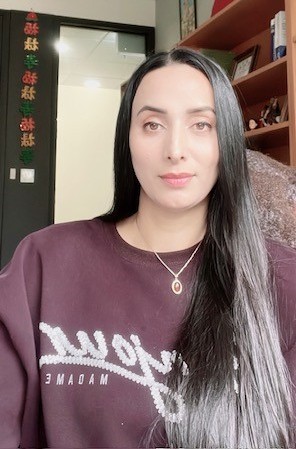
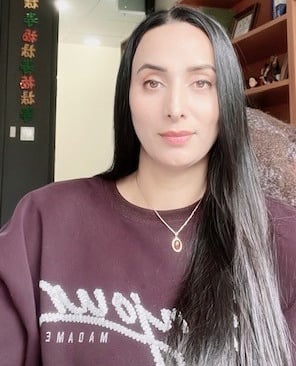
Alexander López, who holds a PhD from the University of Oslo, Norway, is currently a professor at the National University of Costa Rica and Director of International Affairs at the Latin American Centre for Development Administration (CLAD), an international organisation comprising 24 countries in Latin America. He also serves as an advisor for Latin America to the United Nations Water Convention. He has spent more than 20 years working across several continents on issues related to water and climate change and the nexus between the two. He has worked on the ground in countries such as Norway, Vietnam, India, South Africa, Brazil, Mexico, the Dominican Republic and throughout Central America.
He also served as director of the "Central American Institute of Public Administration" (ICAP), a regional international organisation, and also served as Costa Rica’s ambassador to the Republic of Indonesia. In the academic sphere, he was director of the Institute of International Relations at the National University of Costa Rica. Dr López is an international expert; he has delivered lectures and seminars in over 40 countries worldwide and has published extensively in Spanish and English with renowned publishers such as SAGE, the Massachusetts Institute of Technology Press (MIT Press), Routledge, Earthscan, Kluwer Academic Publishers and Edward Elgar Publishing, amongst others.
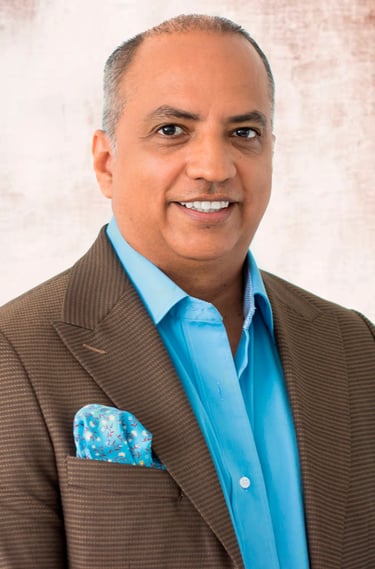
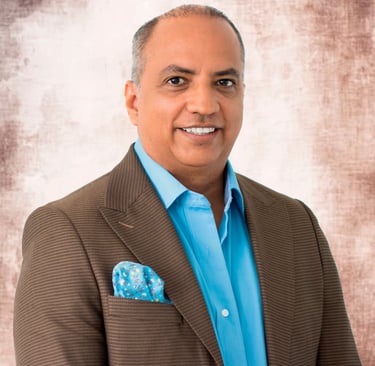
Bjørn-Oliver Magsig is a Senior Lecturer and Associate Dean (International) at the Faculty of Law, Victoria University of Wellington, New Zealand, where he focuses on public international law, climate change law, and the securitization of natural resources. His current research explores pathways towards cooperative sovereignty and shared responsibility in a changing global order. Bjørn-Oliver has led various interdisciplinary projects on the socio-legal challenges of managing transboundary natural resources. He serves on the IUCN World Commission on Environmental Law and the board of Lawyers for Climate Action New Zealand Inc (LCANZI), and is an Associate of the New Zealand Centre for Public Law.
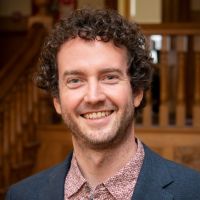
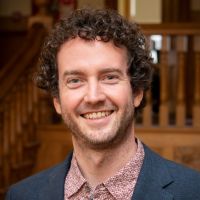
Eng. Sylvester Anthony Matemu is a distinguished specialist in transboundary water resources management, institutional leadership, and international water law with 38 years of public sector experience. Over 27 years in the water sector, he has led complex multi-country negotiations, policy development, and cross-border environmental governance frameworks across Eastern and Southern Africa.
Sylvester's executive leadership includes serving as Executive Director of the Nile Basin Initiative (NBI) Secretariat (2021 - 2023) and Regional Manager of the Nile Basin Discourse (NBD)(2024 - 2025), leading strategic initiatives across the 10 Nile Basin countries. A frequent contributor to global water governance forums since 2003, he served as a member of the UNECE drafting group for the “Practical Guide for the Development of Agreements or Other Arrangements for Transboundary Water Cooperation (2021)”. His extensive advisory work spans SADC, AMCOW, LVBC, ZAMCOM, the Lake Tanganyika Authority (LTA), NBI, GIZ, Songwe COM and the Joint Water Commission of the Ruvuma River Basin.


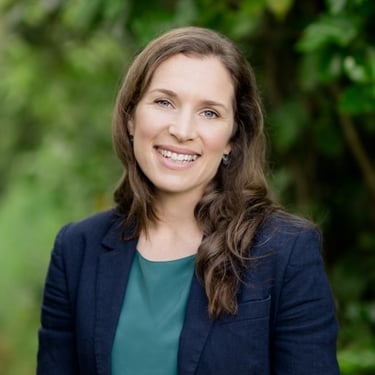
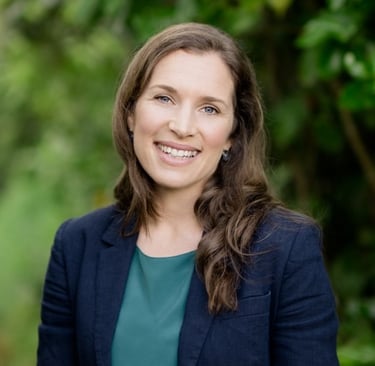
Dr Ruby Moynihan Magsig is a Senior International Advisor to the New Zealand Department of Conservation and Senior Research Fellow at Victoria University of Wellington's Faculty of Law. Ruby's international legal and policy advisory portfolios are in the area of international environmental law and policy where she leads and contributes, on behalf of New Zealand, to the development and implementation of international treaties regarding the protection and sustainable use of marine and freshwater ecosystems and biodiversity. Ruby is a current Royal Society Te Apārangi Marsden Fund awardee for her project 'Reimagining ocean law to achieve equitable and sustainable use of marine ecosystems'. Her research and teaching examine how international and comparative national law evolves to address complex environmental challenges in a changing geopolitical world. She specializes in freshwater law, biodiversity, law of the sea, rights of nature and indigenous approaches to the environment, exploring questions of natural resources equity, justice and the interface between law, science, and policy. Ruby has extensive experience leading and contributing to high-level collaborative law and policy advice for multilateral fora. She leads New Zealand's delegation to the Ramsar Convention on Wetlands and represents New Zealand on the Convention's Working Groups on Culture and Institutional Strengthening. She also serves as New Zealand's lead for the International Union for the Conservation of Nature and has contributed policy advice to the FAO, UNESCO World Water Assessment Programme, UN Economic Commission for Europe, WWF, GIZ, and Adelphi International. Ruby is an enrolled Barrister and Solicitor of the High Court of New Zealand.
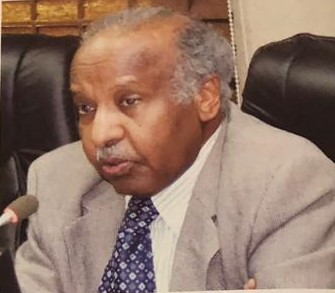
Dr. Salman M.A. Salman is the Chair, University of Khartoum Council, Sudan. He is a Distinguished Honorary Member, and Fellow, with the International Water Resources Association (IWRA). Formerly, he was the editor of Brill Research Perspectives in International Water Law (2016 – 2021), served as the World Bank Water Law Adviser (1994 – 2009), and was the co-director of the Hague Academy of International Law session on Water Resources and International Law in 2001. He is the co-recipient of: (i) the IWRA Crystal Drop Award (2017), and (ii) the World Bank, Law, Justice and Development Alumni Award (2023). Dr. Salman earned his LLB from the University of Khartoum, Sudan, and holds an LLM and JSD from Yale Law School. He has published widely in the field of water law and policy.
Susanne Schmeier is a Professor of Water Cooperation, Law and Diplomacy at IHE Delft – Institute of Water Education and Utrecht University. Her research focuses on conflict and cooperation dynamics over shared natural resources and the environment, with a particular interest in shared water resources. She studies the legal and institutional mechanisms that prevent or mitigate conflict and foster cooperation. She is also the International Waters Panel Member of the Global Environment Facility (GEF)’s Scientific and Technical Advisory Panel (STAP) and advises governments, international organizations, and various stakeholders on water cooperation and supports negotiations and conflict resolution.
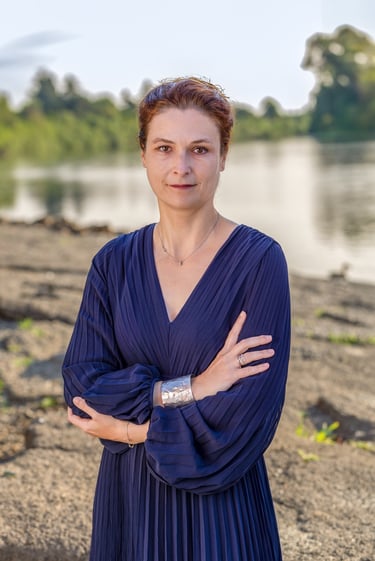
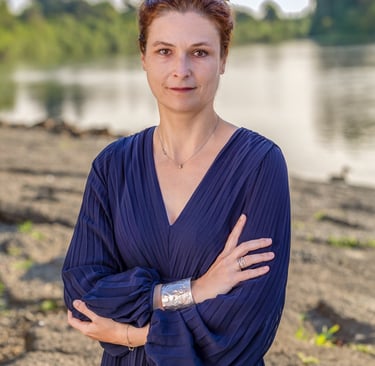
Photo taken by Ariella Wolf Photography.
Dale Cambpell
Zaki S. Shubber is a lawyer specializing in national and international water law, and conflict resolution. She is currently Senior Counsel in the Environmental and International Law Practice Group of the World Bank’s Legal Vice Presidency. Previously, she practiced corporate, finance, and aviation law in London and Geneva. Zaki has also served as a Lecturer in Law and Water Diplomacy at the IHE Delft Institute for Water Education in the Netherlands. She holds a PhD in Law from Queen Mary University of London, where her research examined the concept of uncertainty in international law in the context of shared freshwater resources. She has published on international water law.
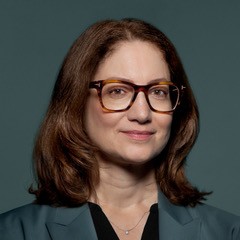
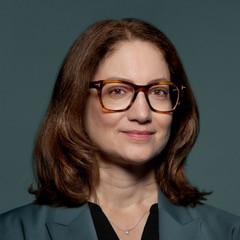
Shawahiq Siddiqui is an environment and development law practitioner based in India. Currently, he is Regional Advisor for South Asia to the United Nations Water Convention Secretariat. A fellow to the Department of State, United States of America (2015), and International Boundary and Water Commission, he specializes in trans-boundary water cooperation agreements and treaties in South Asia and is solicited by the governments and multilateral agencies for his legal services on improving bilateral cooperation in South Asia. He is the Member, National Task Force, (Law and Governance), Ministry of Jal Shakti Government of India and is a guest faculty on international water law to the Natonal Water Academy, Central Water Commission and other national level institutions in India. He has also authored Modules on Transboundary Water Agreements and Treaties for the Multi-track Water Diplomacy Project for IUCN India and the Institute of Global Justice, The Hague.


Anthony Dan Tarlock is University Distinguished Professor Emeritus at the Chicago-Kent College of Law, Illinois Tech. From 2014-2019, he was a member of the Technical Committee of the Global Water Partnership in Stockholm, Sweden. Professor Tarlock holds and A.B. and LL.B. from Stanford University. He has held tenured positions at Indiana University, Bloomington and Chicago-Kent College of Law, Illinois Tech. In addition, he has visited at a number of United States universities including Chicago, Hawai'i, Kansas, Pennsylvania, Southern California, Texas and Utah. He has also been a visiting scholar and teacher at Queensland University of Technology, Brisbane, Australia, City University of Hong Kong, The UNESCO Centre for Water Law, Policy, and Science, University of Dundee, Scotland and the University of Trento, Italy. He has also lectured throughout Africa, Asia, Australia and Europe.
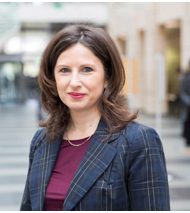
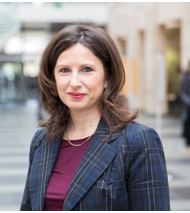
Mara Tignino is Scientific Director of the Geneva Water Hub and Senior Lecturer at the Faculty of Law and the Global Studies Institute of the University of Geneva. Her research focuses on international water law, transboundary water governance, and the protection of water resources and infrastructure in situations of armed conflict. She works at the intersection of law, policy, and diplomacy, contributing to international debates on water cooperation and peacebuilding. Dr. Tignino has served as Visiting Professor at Renmin University of China, the University of Barcelona, LUISS University, and the Catholic University of Lille, and as Visiting Scholar at George Washington University Law School. She also acts as an expert and legal adviser for states and international organizations and has conducted training workshops across Africa, Asia, the Middle East, and South America. Her publications include The Geneva List of Principles on the Protection of Water Infrastructure: An Assessment and the Way Forward (Brill, 2020) and The UN Convention on the Law of the Non-Navigational Uses of International Watercourses: A Commentary (OUP, 2018).
Sergei Vinogradov is an Affiliate of the International Water Law Academy . He has extensive academic and practical experience in the field of public international law, specialising in the areas of natural resources, law of the sea and protection of the environment. Since 1996 he has been working at the Centre for Energy, Petroleum and Mineral Law and Policy, University of Dundee (Scotland, UK). During his academic career he also taught in various post-graduate programmes, including such universities as Oxford, Leuven, Kazakh National, Moscow State and MGIMO universities. Dr Vinogradov published extensively on a wide array of international legal issues, including transboundary water resources, protection of the marine environment, cross-border energy infrastructure, petroleum exploration and production, legal regime of the Arctic and Antarctic.
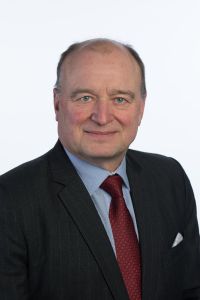
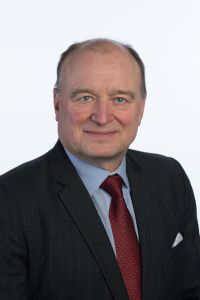
Yumiko Yasuda is an independent consultant and researcher on water and environmental governance. She is currently a visiting researcher at Research School on Water Cooperation, Department of Peace and Conflict Research, Uppsala University, and an affiliate of International Water Law Academy. She brings experiences working in multiple sectors in the field of water and environment including as: senior IWRM and transboundary water cooperation specialist at the Global Water Partnership; researcher on water diplomacy at SIWI, Uppsala University, and the Hague Institute for Global Justice; UNDP-GEF Asia and the Pacific region program officer; livelihoods specialist for WWF Mekong program; community-based ecotourism advisor in Cambodia, and environmental specialist at Ericsson. Yumiko obtained her PhD degree from the Centre for Water Law, Policy and Science at the University of Dundee, an MA in environmental policy from Tufts University, and an MSc in environmental science from Tsukuba University. Her research on the Mekong has culminated in the publication of a book, “Rules, Norms and NGO Advocacy Strategies: Hydropower Development on the Mekong River” by Routledge.
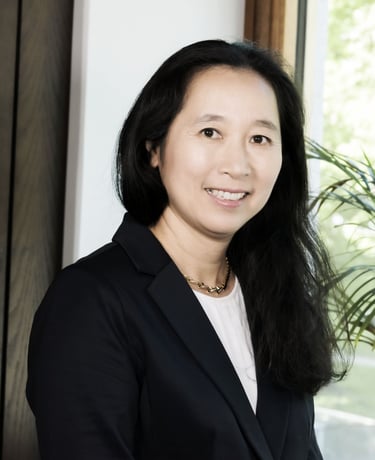
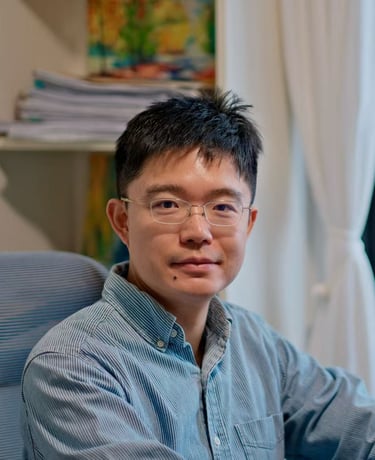
Chenjun Zheng is an Assistant Professor of International Law at the School of Law, Zhejiang Gongshang University, China. He earned his doctorate in International Law from Wuhan University, during which he undertook joint doctoral training at the Faculty of Law of Utrecht University. He has also been a visiting scholar at the University of Macau. His academic background combines reflects an interdisciplinary background, combining training in international law with earlier studies in Russian language and literature. His research focuses on international environmental law and international water law, with a particular emphasis on the interface between transboundary water governance and climate change law and glacier governance. He has published in international journals, including Review of European Comparative & International Environmental Law (RECIEL), Water International, Journal of Water Law. His recent scholarship examines topics including alternative and competing uses in international water law, legal approaches to managing glaciers within transboundary watercourses. Alongside his research activities, he teaches international law at both undergraduate and postgraduate levels and coaches the Zhejiang Gongshang University team for the Philip C. Jessup International Law Moot Court Competition.
Dinara Ziganshina is the Director at the Scientific Information Centre of Interstate Commission for Water Coordination (SIC ICWC) in Central Asia, a regional organisation that contributes to fostering transboundary water cooperation in the region through data, information and knowledge development and dissemination. Dr. Ziganshina is the Chair of the Implementation Committee under the Convention on the Protection and Use of Transboundary Watercourses and International Lakes (The Water Convention); a Governor at the World Water Council and an Associate Professor at the Tashkent Institute of Irrigation and Agricultural Mechanization Engineers. Dr. Ziganshina has more than 25 years’ experience working as a legal and policy expert in water resources management at national and transboundary levels and managing and coordinating regional projects in multi-stakeholder environments.
Contact the Academy
Reach out to us anytime for expert guidance anytime, ideas for collaboration and more!
© 2026. All rights reserved.
International Water Law Academy
Academic Excellence,
Professional Relevance